Homeowner sets a fixed budget (e.g. $10,000)

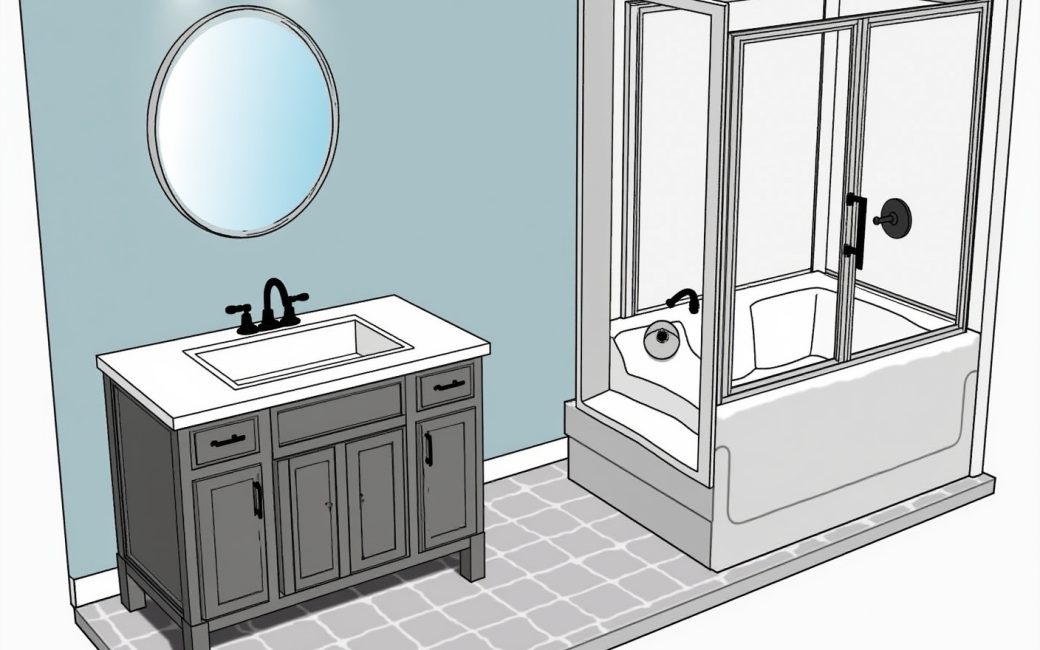
A $10,000 budget buys a cosmetic refresh, not a gut renovation. That figure covers new fixtures, tile, paint, lighting and a tub-to-shower conversion or acrylic resurfacing — as long as the plumbing stays exactly where it is.
The moment a fixed budget is set, it dictates scope, not the other way around. Once the number is on the table, the honest next step is to work backward: what can be touched without moving a drain or supply line, since relocating either is what pushes a job out of this tier entirely.
Within that constraint, a $10,000 remodel typically includes:
- A new toilet, faucet, and vanity set into the existing footprint
- An acrylic tub or shower surround installed over the existing alcove
- New flooring and paint
- Updated lighting and a mirror
- Possibly a tub-to-shower conversion, since this changes the fixture but not its location
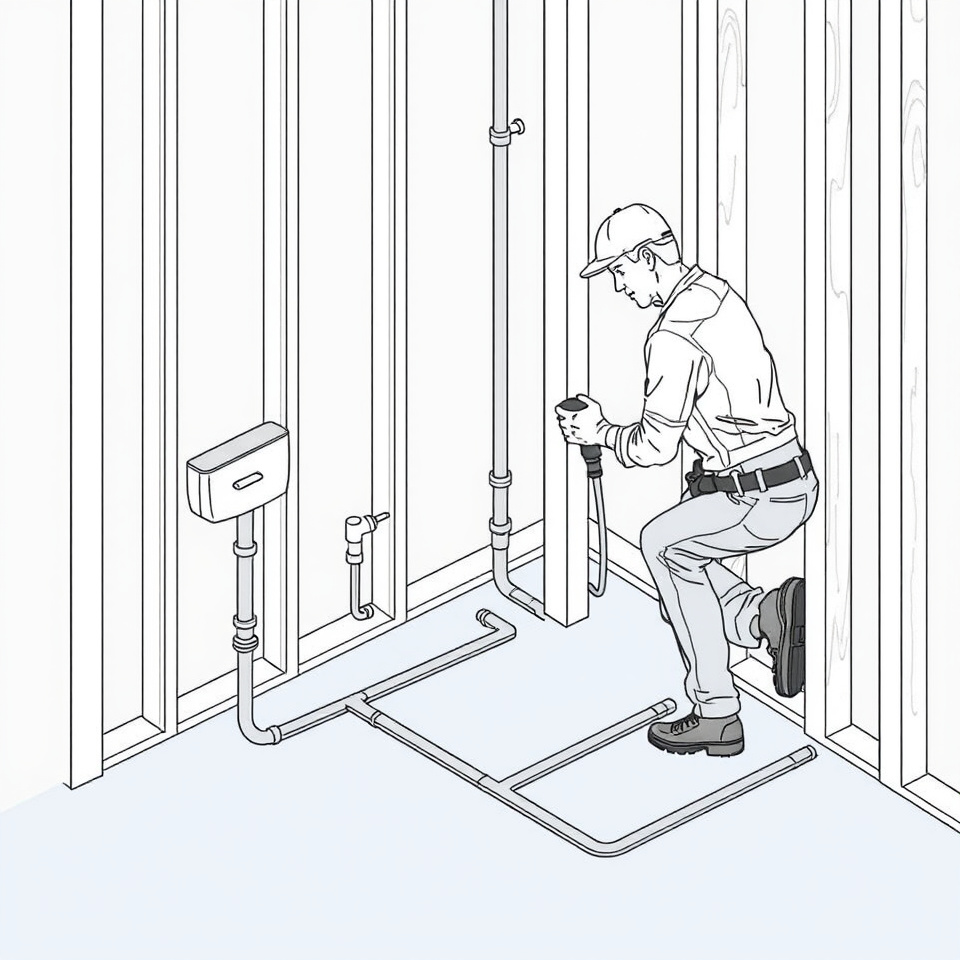
What it does not include: moving the toilet, relocating the vanity to a new wall, or reconfiguring the shower's footprint. Any of those require new rough-in plumbing, and that single change is usually what separates a $10,000 refresh from a $20,000-plus remodel.
Keep plumbing in place to protect the budget
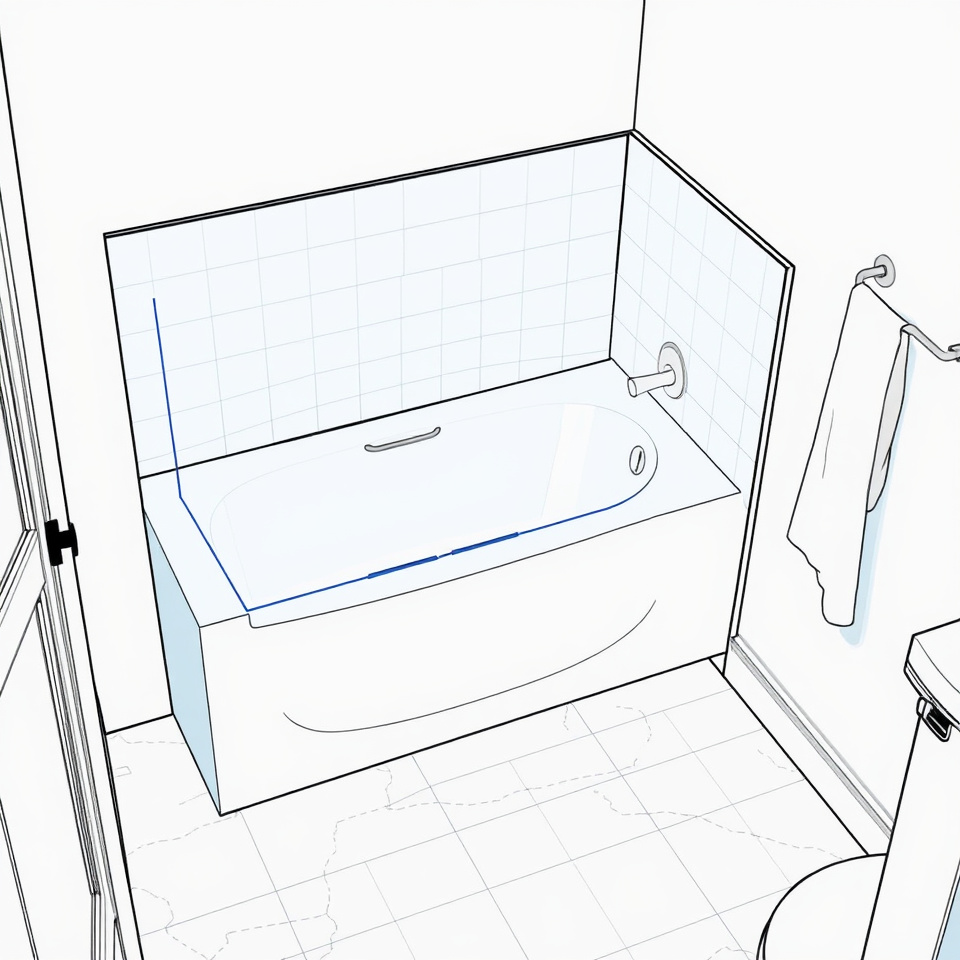
The fastest way to keep a bathroom remodel inside a modest budget is to leave every drain and supply line exactly where it already is. Converting a tub to a shower, or resurfacing a tub instead of replacing it, are both jobs that work within the existing plumbing footprint — which is why they show up so often as the go-to move for a fixed-budget project, including the acrylic surround and one-day install systems marketed by companies like Bath Fitter and Re-Bath.
These overlay systems are fast — often installed in a single day rather than the one to two weeks a full tile-and-waterproofing job takes — but speed comes with a tradeoff. An acrylic surround goes over the existing tub or tile; it does not remove or repair whatever is underneath. If there's already moisture damage, subfloor rot, or a failing waterproof membrane, an overlay conceals the problem rather than fixing it, and it won't address a layout that doesn't work for the household. For a bathroom with no structural or moisture issues, though, it's a legitimate way to modernize the look without opening walls.
Layout change desired (tub removed, vanity moved)
A layout change is the single decision that pushes a bathroom remodel out of the cosmetic tier and into a full renovation. Moving a tub, relocating a vanity, or widening a doorway all require new plumbing rough-in, and rough-in work means opening the floor or wall, running new supply and drain lines, and closing everything back up before finishes go on.
This kind of relocation almost always requires a permit, because moving plumbing changes fixture drain-waste-vent connections that a building inspector has to sign off on. It also generally requires a licensed contractor or plumber, not because tile work needs a license in most places, but because the plumbing and any electrical relocation typically do.
Once plumbing relocation enters the picture, the sequence of the job gets longer and more disruptive:
- Demolition of existing fixtures, flooring, and any wall sections in the way of new lines
- Rough-in plumbing and electrical relocation
- Inspection of the rough-in before anything is closed up
- Waterproofing of the shower or tub area
- Drywall, tile, and flooring installation
- Fixture installation and trim
- Final inspection
Each of those steps adds both labor hours and calendar time compared with a refresh that skips straight from demolition to finishes. That's the practical reason average bathroom remodel costs vary so widely — the range isn't really about finish quality, it's about whether the plumbing moved.
Need a remodeler in a specific city
Finding the right person for the job starts with a shortlist, not a signed contract. Pull three to five names from customer reviews and ratings, check each one against a directory or the Better Business Bureau, and only then start requesting estimates.
Before any bid is compared, verify licensing, insurance, and bonding for anyone doing plumbing, electrical, or structural work. A license confirms the contractor has passed a jurisdiction's competency requirements; insurance protects the homeowner if a worker is injured on the property; bonding provides a financial backstop if the job is left unfinished. Skipping this step is the most common way homeowners end up mid-remodel with no recourse.
Once the shortlist is verified, collect multiple itemized written estimates — not verbal quotes — from each contractor. An itemized estimate breaks out labor, materials, fixtures, and permit fees separately, which makes it possible to compare bids line by line instead of comparing a single headline number that may or may not include the same scope of work.
| What to compare | Why it matters |
|---|---|
| Labor cost | Varies by trade and region; the largest line item in most remodels |
| Materials cost | Fixtures, tile, and surfaces chosen affect this independently of labor |
| Permit fees | Only appear if plumbing, electrical, or structural work is involved |
| Timeline | Longer timelines usually mean more disruption, not just more cost |
| Warranty terms | Covers workmanship separately from manufacturer fixture warranties |
A bid that's dramatically lower than the others is worth a second look — it may be missing a line item the higher bids included, such as permit fees or disposal costs.
Bathroom remodel scope: surface update vs. full gut
Every bathroom remodel falls into one of a few scopes, and the scope — not the size of the bathroom — is what drives the cost range. A surface update touches finishes only: paint, flooring, a new vanity top, updated hardware. A full gut removes everything down to the studs and subfloor, including old plumbing and electrical, and rebuilds from there.
Between those two extremes sits the layout-change remodel described above, where fixtures move but the room isn't fully gutted. Knowing which of the three describes a planned project is the first useful step in pricing it, since the cost difference between the tiers comes almost entirely from whether plumbing and structure are touched.
Shower: replacement or conversion
A shower is the fixture most likely to be replaced in any bathroom remodel, and it comes with the widest range of approaches. At one end is a simple surround swap using the existing plumbing; at the other is a fully custom tiled shower with a new drain location, a bench, and a glass enclosure.
Tub-to-shower conversion is one of the most common single-fixture projects, since it keeps the existing plumbing footprint while changing daily usability — a common priority as households age in place. On the higher end, a curbless or zero-threshold shower requires reworking the subfloor to slope toward the drain, which adds labor even though the plumbing location may not change.
Bathtub: keep, refinish, replace, or convert
A bathtub in decent structural condition doesn't have to be replaced to look new. Refinishing — recoating the existing surface — costs less than replacement and can be done in a day, but it's a cosmetic fix that doesn't address cracks, chips that go through to the substrate, or a tub that's already leaking at the drain.
Full replacement makes sense when the tub itself is failing, or when the household wants a different tub style entirely (soaking tub, drop-in, whirlpool). Converting the tub to a shower is a distinct decision from replacing it, and it's typically driven by accessibility or the fact that a household simply doesn't use tubs.
Remodel budget: what the number actually buys
The remodel budget is the total amount set aside for the job, and it functions less as a target than as a filter on what scope is possible. A number set before scope is defined tends to force scope decisions later, usually by cutting the most expensive line item — plumbing relocation — first.
Labor and materials typically split unevenly depending on scope: a cosmetic refresh leans more heavily toward materials and fixtures, while a full gut shifts more of the budget toward labor for demolition, plumbing, electrical, and waterproofing. Framing a budget without separating those two categories makes it hard to know where cuts can actually be made without compromising the work.
Project scope: the variable that decides everything else
Project scope is the single factor that determines both the price range and the timeline of a bathroom remodel, more than square footage or finish level. A surface update can often be completed while the household still uses the bathroom between work sessions; a full gut typically makes the bathroom unusable for the duration.
Deciding scope honestly, before calling a contractor, means answering one question: does anything about the layout — fixture location, doorway width, window placement — need to change? If the answer is no, the project can likely stay in the cosmetic tier. If the answer is yes, it's a full renovation regardless of how small the change feels.
Bathroom contractor or remodeler: who does what
A general remodeler coordinates the whole project — demolition, subcontractors, inspections, and finish work — while a plumber or electrician handles the licensed trade work within it. For a surface-level refresh with no plumbing changes, some homeowners hire trades directly and skip a general contractor; for anything involving rough-in work, a licensed contractor managing the sequence and the inspections is the more reliable path.
Licensing, insurance and bonding: what each one actually protects
These three credentials protect three different risks, and confirming all three matters more than confirming just one. A license confirms competency to perform the work under local code; insurance covers injury or property damage during the job; bonding provides a financial remedy if the contractor fails to complete the work as agreed.
Requesting proof of all three before signing a contract — not just asking whether the contractor "is licensed" — is the only way to actually verify them, since a verbal confirmation isn't documentation.
Customer reviews and ratings: how to read them
Reviews and ratings are a starting filter, not a final decision. A contractor with a strong average rating but very few reviews carries less signal than one with a slightly lower average across many jobs, and the pattern in recent reviews — timeliness, communication, whether the final price matched the estimate — matters more than the star count itself.
Cross-referencing reviews against a directory or complaint-resolution listing adds a layer reviews alone don't provide, since reviews reflect customer experience while a complaint record reflects how disputes were actually resolved.
How much does it cost to renovate a bathroom?
The cost of a bathroom renovation depends almost entirely on whether the plumbing moves and how much of the room is rebuilt versus refreshed. A surface-level update that keeps every fixture in its current location sits at the low end of any range; a full gut with a layout change and new plumbing rough-in sits at the high end, often several times higher for the same square footage.
Regional labor rates, the specific fixtures chosen, and whether permits and inspections are required all shift the number further, which is why a single national average is less useful than pricing a project by its actual scope — cosmetic refresh, plumbing relocation, or full gut — before comparing contractor bids. Working through scope first, then collecting itemized estimates from licensed, insured contractors, is what turns a vague budget into a number that actually matches the project being planned.